




Amazon
Software Engineer (current)
Items Security & Privacy: designed a denylist migration to AWS AppConfig.
Hi! I'm Grace, a software engineer and Cornell Computer and Information Science graduate. My background includes distributed systems at Amazon, healthcare software, and applied machine learning. I'm interested in what happens when things go wrong—and how the response changes what happens next.
Exploring when mental-health AI should ask more, offer support, or defer to a clinician.
Strengthening follow-up and ongoing support for people with substance use disorders.
Understanding how models, interfaces, and clinical workflows shape whether AI helps in practice.
When someone turns to AI in distress, what should it recognize, what should it ask, and when should it involve a human? How do we distinguish a response that sounds empathetic from one that offers appropriate support? I'm interested in how these decisions unfold across a conversation, and how to evaluate the harm a system might cause through both its actions and its omissions.
How can people transition from residential treatment to everyday life without having to coordinate all their support themselves? I'm interested in how care coordination, relationships, and everyday environments can sustain support across that transition.
Why might a model perform well in an experiment yet struggle in a clinical workflow? Is the limitation in the model, the information it receives, or how people interact with it? I'm interested in building experiments and tools that help distinguish these possibilities, and testing whether a more capable model is actually the improvement we need.
My background includes work at Merck and the Englander Institute for Precision Medicine at Weill Cornell Medicine.
Caring for people one-on-one, at the bedside or on the phone, is where I find a lot of meaning. It keeps me grounded in the everyday realities of care and guides my interest in building tools that extend that support to more people.
Through Cornell Bowers ASCEND, I mentor students developing projects in applied AI and privacy, offering technical feedback and career guidance. I also help Cornell Tech students prepare for interviews and navigate the job search.
Outside of work, you'll usually find me reading, writing, making something in Adobe Creative Suite, or going for a run.

Software Engineer (current)
Items Security & Privacy: designed a denylist migration to AWS AppConfig.
Software Engineer
Catalog Data Management: automated validation reports and led API and authentication migrations.


9 projects
what I'm working on now

2026 · ongoing
Evaluating AI safety in mental-health crisis conversations with Stanford researchers, Grow Therapy, and ARISE, a research network founded by labs at Stanford Medicine and Harvard Medical School.
My contribution focuses on clinician voice-to-text integration and configuring simulated-patient behavior.
2022
 python
2021
python2022
2021
python
2020
python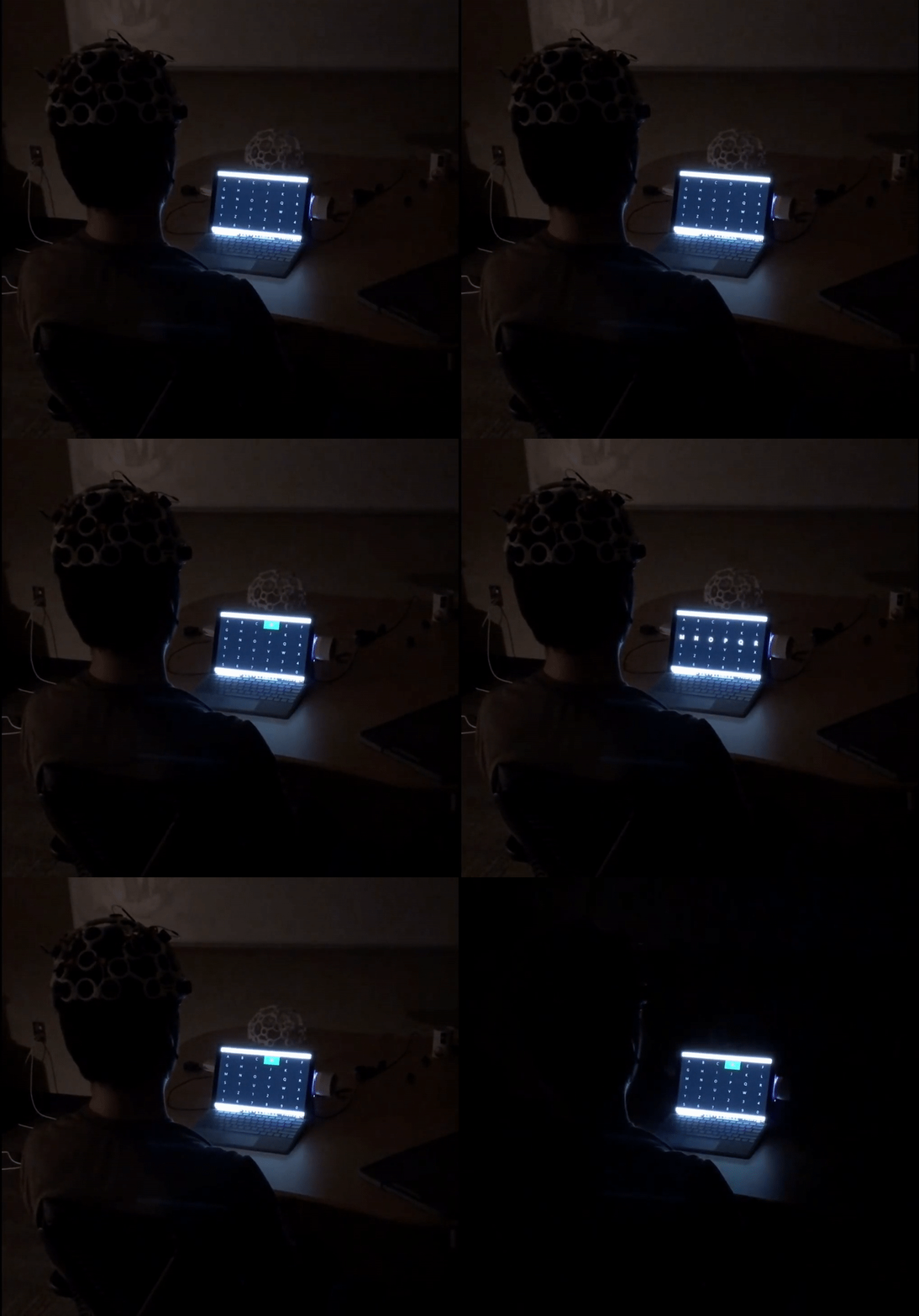
2020
Winner of the Design Excellence Award.
 c++
c++ perl
perl openvibe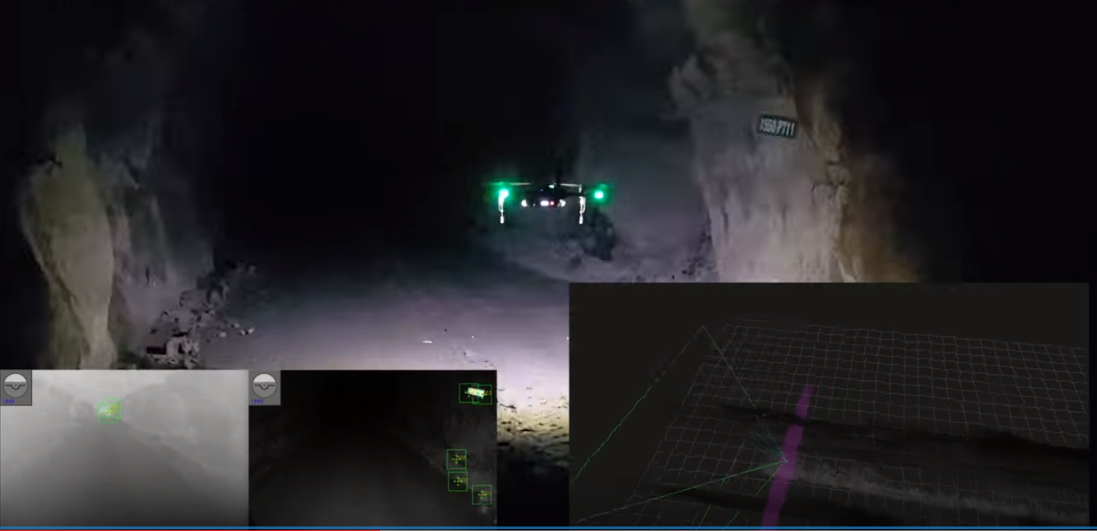
2019
python tensorflow
Research, technical notes, and essays on health and technology.
An ACM IMWUT paper exploring affective touch as a just-in-time wearable intervention for in-the-moment anxiety.
A chapter in Nanoparticles for Biomedical Applications on passive targeting, body interactions, and clinical potential in nanomedicine.
 Premiere Pro
for collaborations, projects, or just a conversation, feel free to reach out through any of the platforms below or email me at dl2228@cornell.edu.