projects
Research and engineering projects, with implementation details and evidence.
9 of 9 projects

safety evaluation for consumer mental-health AI
2026 · ongoing
Evaluating AI safety in mental-health crisis conversations with Stanford researchers, Grow Therapy, and ARISE, a research network founded by labs at Stanford Medicine and Harvard Medical School.
mental health prediction
2022
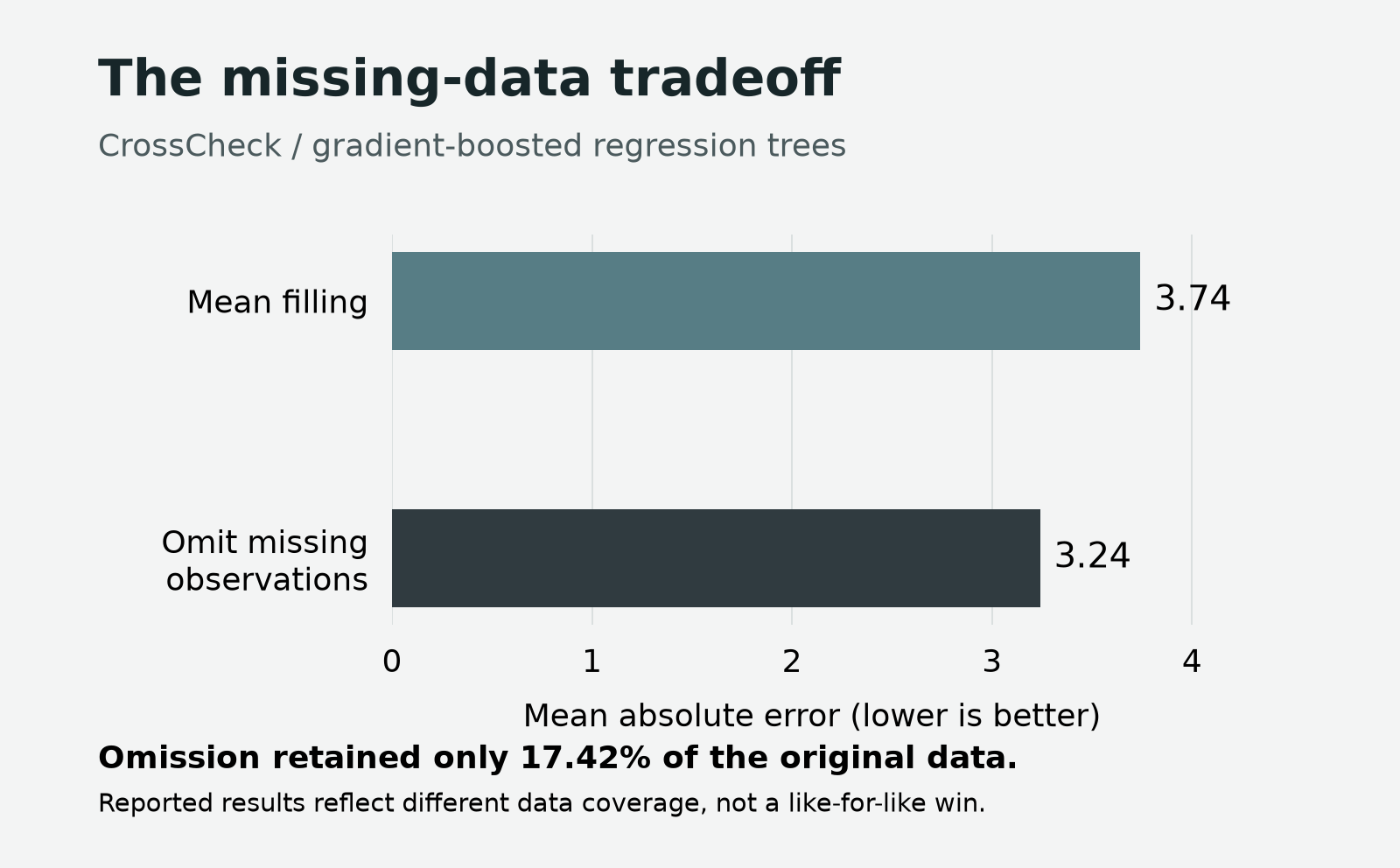
Predicting mental-health assessment scores from sparse CrossCheck data across 61 participants and 6,132 participant-days. I used gradient-boosted regression trees and compared missing-data strategies with MAE and R-squared, examining the tradeoff between error and data coverage.
 python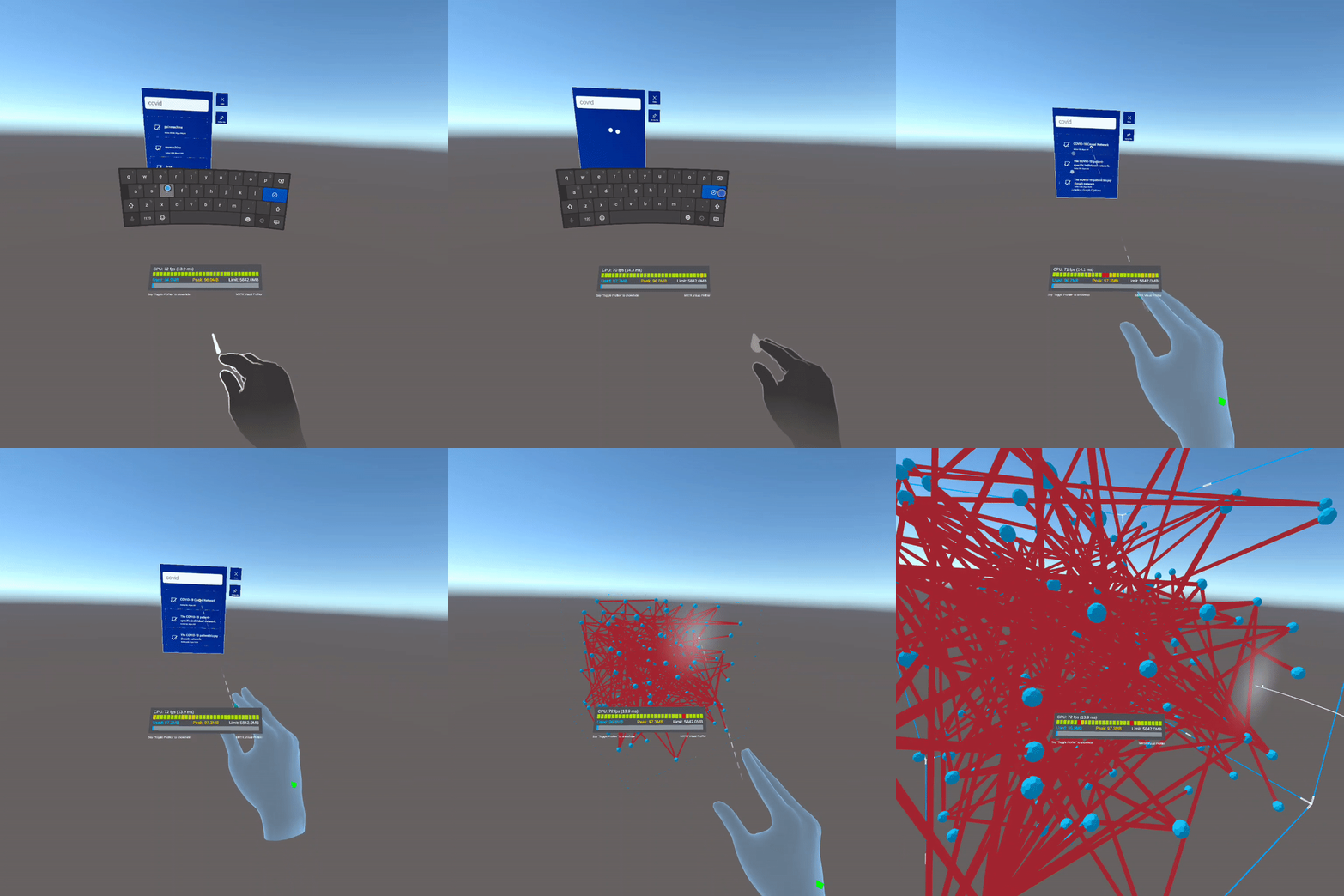
holograph
2022
HoloGraph is a graph visualization application in mixed reality that helps researchers identify patterns in cancer/drug networks. HoloGraph was developed at the Englander Institute for Precision Medicine at Weill Cornell Medicine. I created and ported features from HoloLens 1 to HoloLens 2 and Oculus 2 under Professors Alexandros Sigaras and Olivier Elemento.
 c#
c# unity
unity git
gittiempo
2022
Tiempo is a platform emboldening undocumented immigrants in NYC to seek last-minute, non-emergency care on their own schedule. It provides public clinics and FQHC wait times, and clinic collaboration allows users to schedule same-day appointments.

minitorch
2021
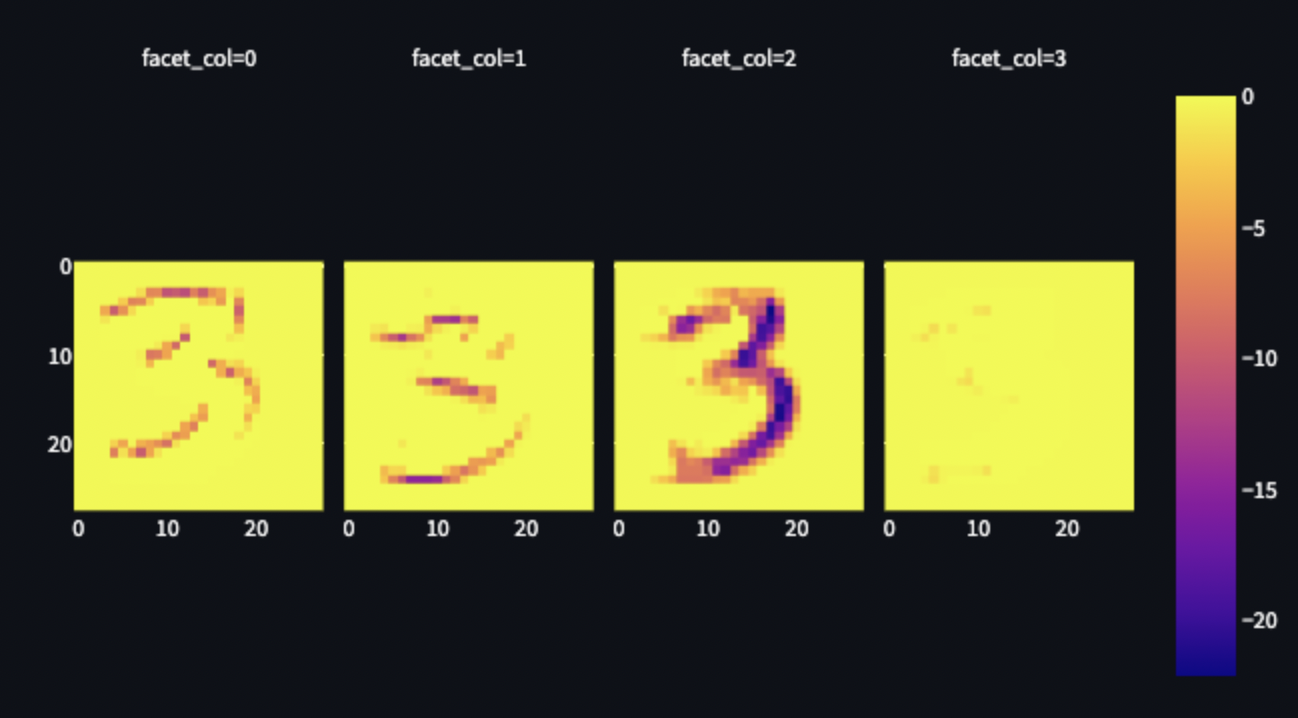
Inside a learning framework: my implementation of MiniTorch spans automatic differentiation, tensor operations, Numba-accelerated kernels, and convolutions, with applications to handwritten-digit and sentiment classification.
python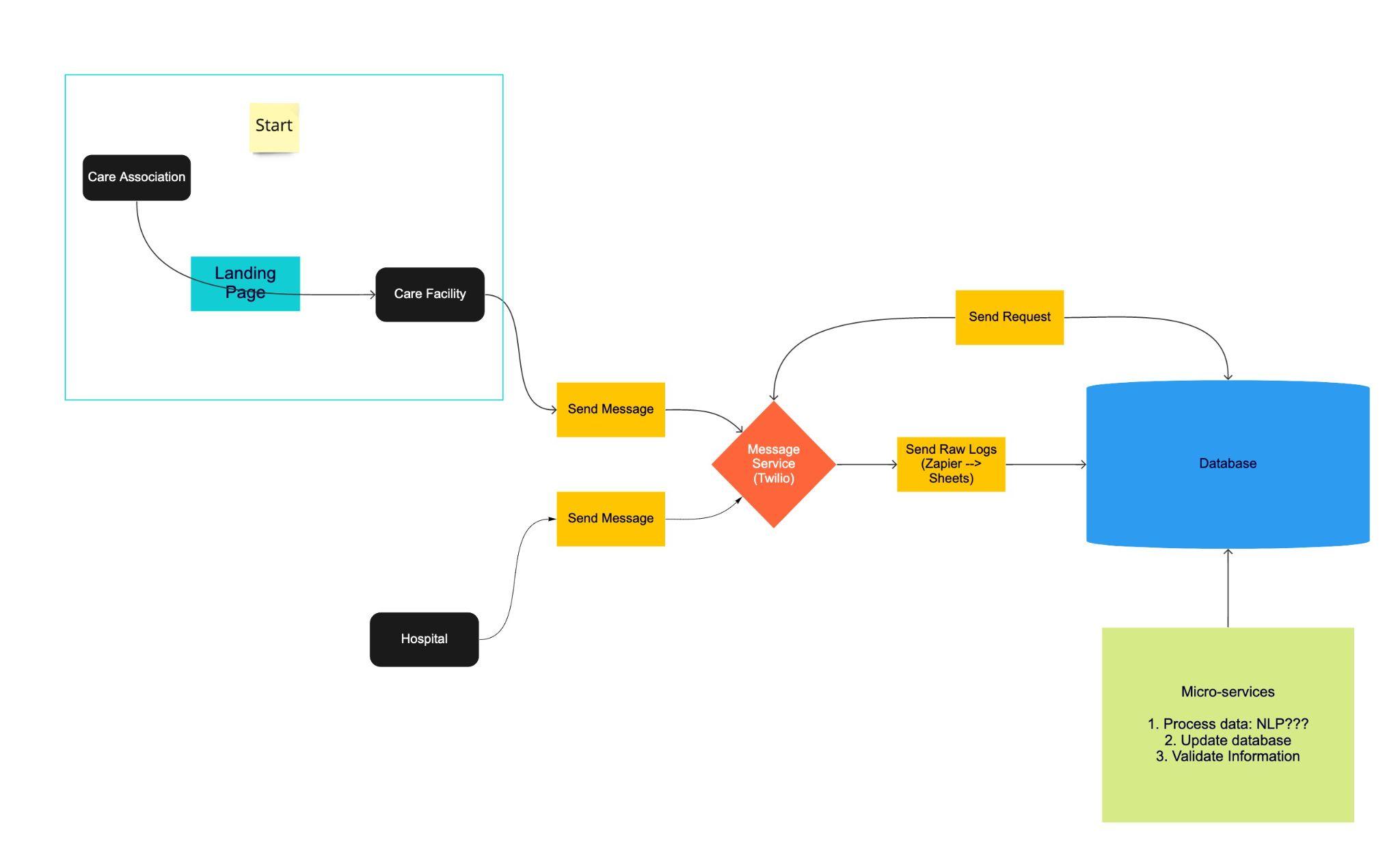
care-home availability
2021
A team prototype exploring how SMS surveys and a staff-facing dashboard could make care-home availability easier to find. The work includes a Twilio survey flow, cleaned availability data, and a Python/Streamlit prototype.
python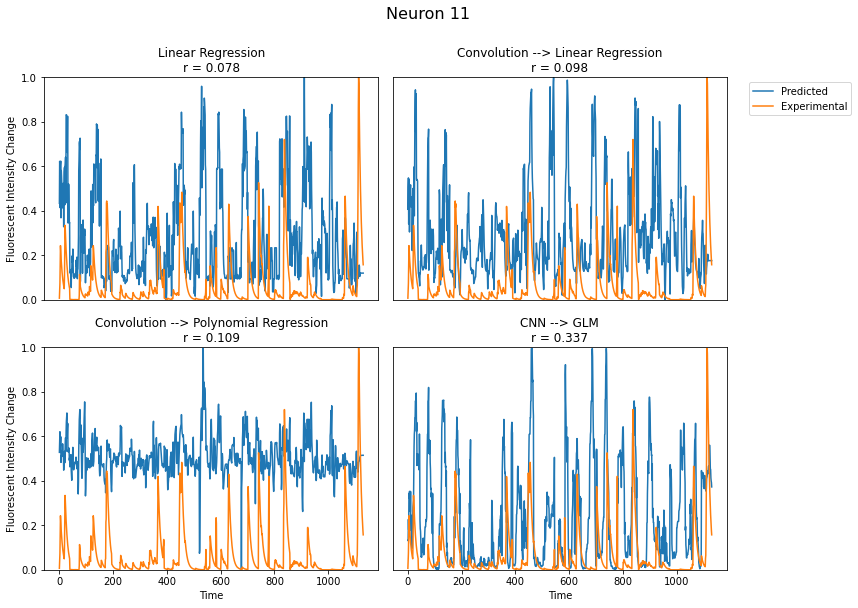
neural activity modeling
2020
A team comparison of linear, polynomial, and CNN-based models using recordings from 940 neurons and 15 task features. We examined how feature representations and group ablations changed predictions of neural activity.
python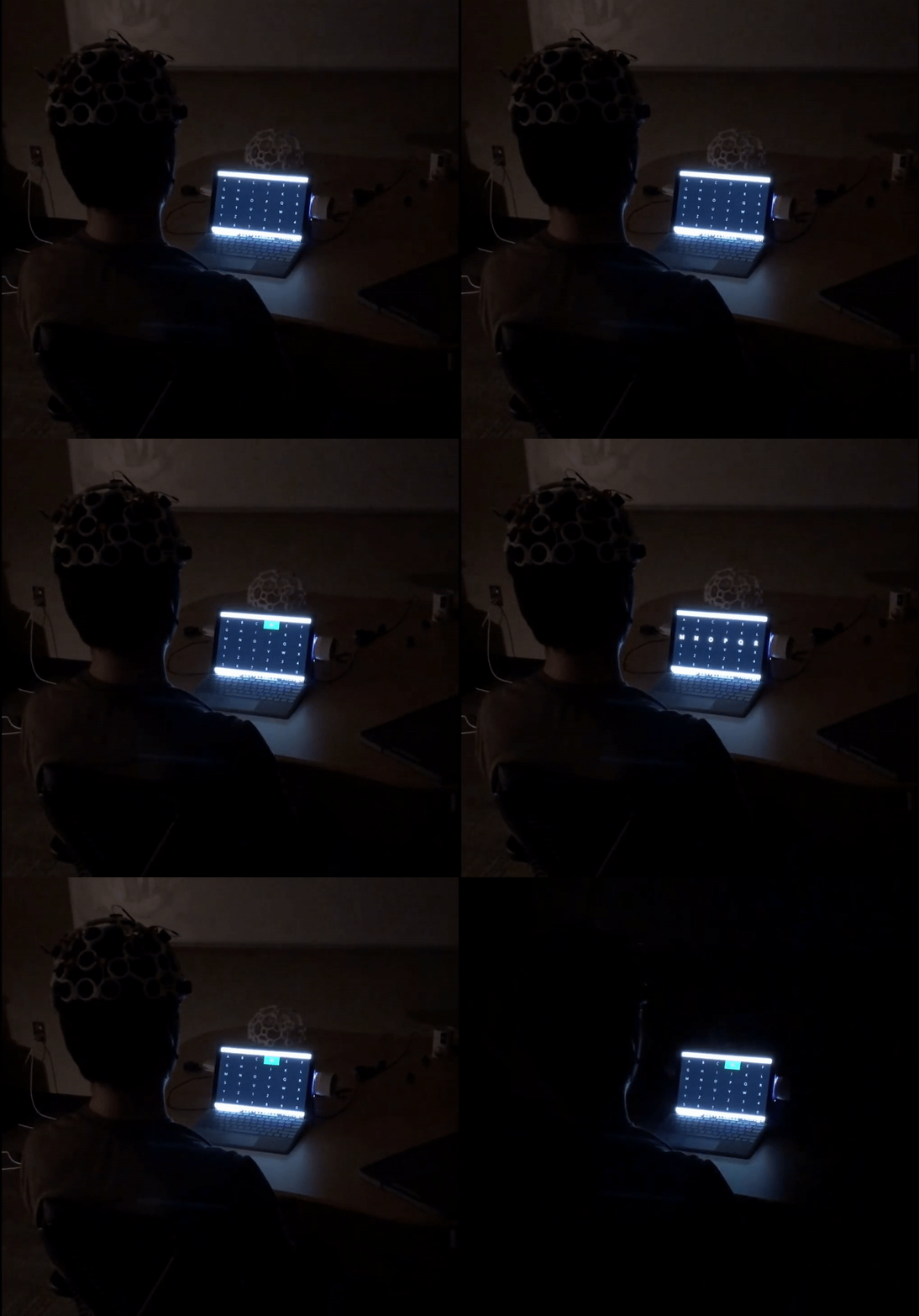
brain-computer interface
2020
Brain-computer interface (BCI) incorporates a portable electroencephalogram (EEG), an open source headset, and a software analysis tool to increase autonomy for amyotrophic lateral sclerosis patients. Our project was awarded the Design Excellence Award at the 2019 Biomedical Engineering Presentation.
 c++
c++ perl
perl openvibe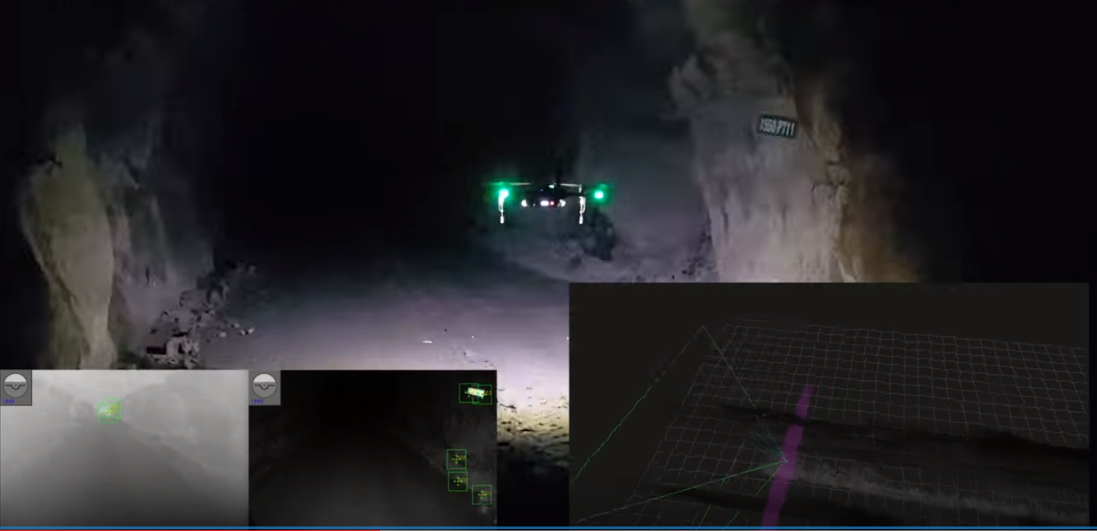
depth estimation
2019
Depth estimation helps researchers visualize depth in subterranean environments using a monocular camera. The project uses a fully convolutional neural network (FCRN) to estimate depth from thermal images.
python tensorflow